A Look at How Mozambique Is Embracing Renewable Energy
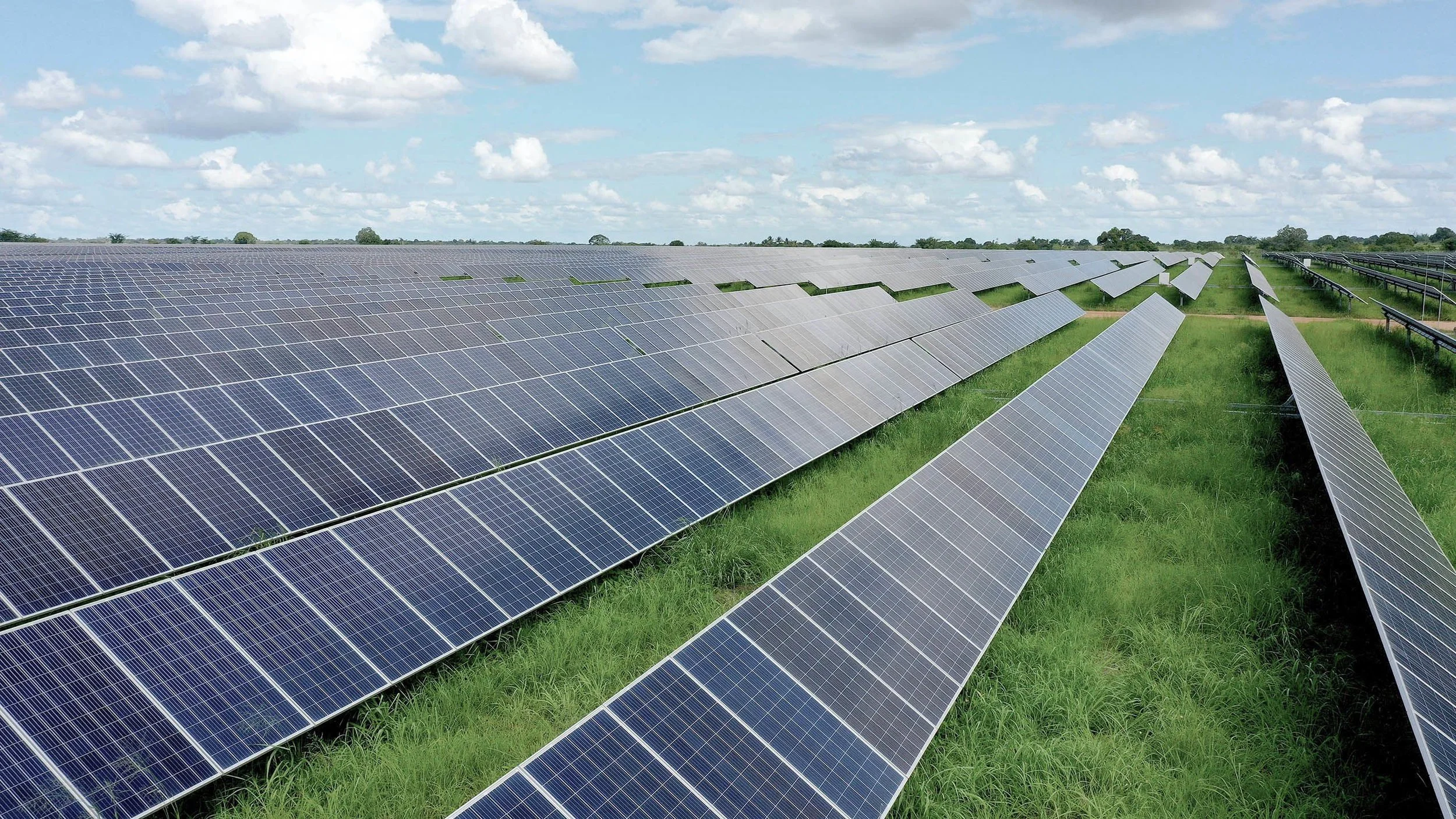
Mozambique is rapidly increasing its energy capacity with an eye toward becoming a global leader in renewable energy. The country already generates 98 percent of its energy from clean sources, with hydroelectric facilities accounting for 95 percent of that total.
Despite this abundant hydroelectric production, challenges remain in ensuring all Mozambique residents have access to electricity. In 2022, more than 50 percent of the population lacked access, while only 7 percent had access to modern solutions for clean cooking—a critically low number, according to the International Energy Agency.
In joining Mission 300, an initiative led by the World Bank Group and the African Development Bank to connect 300 million Africans to electricity by 2030, the country has made progress in addressing this issue. By the end of 2024, the rate of access across Mozambique had risen to 60 percent, nearly double what it had been in 2018.
As part of its Energy for All initiative, Mozambique plans to have universal electricity access by 2030, an ambitious goal it intends to achieve through a combination of creating new renewable energy sources, scaling up existing ones, and funding these efforts by expanding its profile as an energy exporter. Mozambique has massive unrealized energy potential, and, in the years ahead, it looks poised to tap that potential for the benefit of its people.
Looking to Solar
To create a modern, inclusive energy system, the country is embracing solar energy. In 2025 alone, Mozambique added more than 700,000 domestic solar systems. These installations are part of an effort to decentralize energy distribution, an approach that has shown to be effective in connecting people from underserved communities with electricity more quickly.
That being said, additional infrastructure is needed to ensure all Mozambicans, and particularly those in rural areas, have access to electricity. Understanding this, the government has undertaken or is currently undertaking numerous large-scale solar projects in an effort to diversify its energy profile.
Among these is an innovative project to build a floating solar plant on the Chicamba Reservoir. Announced in July of 2024, the plant, once open, will generate 100 megawatts (MWs) of electricity. The Chicamba development is a joint partnership of the Electricidade de Moçambique, a state-owned utility, and Hydroland, a French renewable energy company. It is being built near an existing hydroelectric dam and will integrate with the older facility, allowing the plant to provide power on sunny days and the dam to take over when it’s cloudy.
“This project is a major step forward for Mozambique in its transition towards renewable energy,” said Carlos Zacarias, Mozambique’s minister of mineral resources and energy. Through that transition, Mozambique plans to bring solar power generation in line with hydroelectric, creating a nationwide system that, in combination with other renewable energy sources, will generate more than 23 gigawatts (GWs) by 2030.
Don’t Forget about Hydroelectric
Despite Mozambique’s focus on increasing its solar and wind capacity, its government understands that, in order to achieve energy for all, hydroelectric power is still an important component. The Mphanda Nkuwa Hydropower Plant is part of that vision.
Once operational, the Mphanda Nkuwa Hyropower Plant will provide 1,500 MWs of clean energy to Mozambicans. The country will also redirect some of the energy produced by the plant to the Southern African Power Pool. These contributions will generate revenue for the government. In 2026, the African Development Bank agreed to a $4.5 billion to fund the project, bringing it closer to reality.
Building Out Infrastructure
Energy facilities don’t serve much purpose if there’s no infrastructure in place for distribution. Along with increasing its renewable energy capacity, Mozambique is strengthening its ability to deliver electricity to those who need it through the installation of transmission lines.
As part of the Mphanda Nkuwa project, the country plans to construct a high-voltage transmission line extending up to 1,400 kilometers from central Mozambique to its southern region. In August of 2025, Mozambique also announced it had received funding to construct three transmission lines that, together, will carry 840 kilovolts of power to parts of the country without sufficient electricity access.
Exporting Energy
Mozambique is home to some of the world’s largest natural gas reserves. To fund its transition to clean energy, it has been expanding its capacity to export liquefied natural gas (LNG) by pursuing several projects that could generate tens of billions of dollars.
Among these is a floating LNG project off the coast of Cabo Delgago. Known as Coral South, it came onstream in 2022. By late 2025, it had produced 100 exported shipments of LNG. Over the next three decades, it is expected to generate $23 billion for Mozambique.
Final investments are also being arranged for Coral North (which is expected to become operational in 2028), as well as an ExxonMobil-led project in Rovuma Basin. In Cabo Delgado, development appears soon to resume on a $20 billion onshore LNG project, according to an October 2025 story in African Business News. The country has a 15 percent stake in the project, with international partners controlling the rest.
To ensure these projects benefit the Mozambique people, President Daniel Chapo has announced his intention to implement laws mandating that all funds the country earns from energy exports go into its sovereign wealth fund. As of March 2026, the value of the sovereign wealth fund is estimated to be more than $117 million.