The Role of Local Energy Systems in Connecting Mozambicans with Electricity
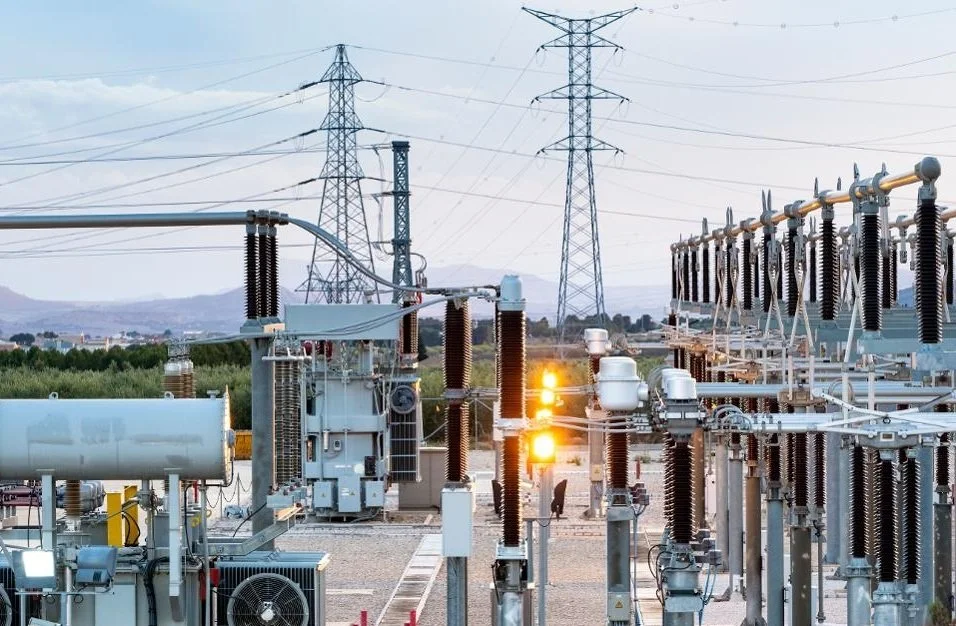
Through the Energy for All initiative, Mozambique has pledged to provide access to electricity to all of its residents by 2030. The country has made significant progress in achieving this goal, with its rate of electricity access nearly doubling from 31 percent in 2018 to 60 percent at the end of 2024.
Much of this progress has been made through expanding the country’s renewable energy capacity. While Mozambique has long relied heavily on hydroelectric power, it has taken steps to diversity its energy portfolio through the construction of large-scale wind farms and solar power plants, all while bringing additional hydroelectric facilities online.
Unfortunately, because of a variety of barriers, not all Mozambicans are able to avail themselves of the power provided by these large-scale projects. Distribution infrastructure, while improving, does not yet reach the country’s most isolated rural areas. Some homes do not have internal wiring and other families lack the funds to purchase equipment that would reduce their reliance on non-renewable energy sources.
Recognizing that a comprehensive approach is necessary to meet its 2030 goals, Mozambique is targeting people and communities in need with the goal of making access to energy more equitable. Let’s learn more about a few of the local and home-based projects that the African nation is pursuing.
Domestic Solar Systems
Domestic solar systems are a promising technology with the potential to connect many underserved Mozambicans with electricity. By the end of 2025, the country had installed more than 700,000 of these systems, with millions of Mozambicans benefiting.
Challenges remain, however, including the cost, which remains high for many residents, particularly those in rural areas. Determined to overcome this problem, the Mozambique Energy Fund and the Mozambican Renewable Energy Association are pursuing innovative payment and financing measures, including digital wallets and cost-saving hybrid management models.
Marcelina Mataveia, Mozambique’s national director of energy, has called for wider availability of these mechanisms. By contributing to the advancement of green technology, they have the potential to help Mozambique reach its 2030 objectives.
Solar Mini-Grids
The majority of Mozambicans who lack access to electricity live in rural areas. Unfortunately, due to the remoteness of these areas, extending the national grid to cover communities there isn’t practical. This is where solar mini-grids come in.
Solar mini-grids operate independently of the national grid. They are localized and more flexible than larger grids, meaning that they can be scaled to meet the unique energy needs of each community.
Mozambique has embraced mini-grids, installing over 111 of them (some of which are hydroelectric) by the end of 2024. They are already producing more than 11.5 megawatts. Other notable planned projects include the Nampula Mini-Grid Project, which alone will deliver electricity to more than 1,000 homes.
Along with mini-grids, Mozambique is looking into microgrid systems with the goal of further expanding electricity access into remote areas. Smaller than mini-grids and sometimes operating in conjunction with them, microgrids are capable of producing electricity from various energy sources, including solar, biomass, and wind.
Agricultural Waste
The Nampula province, Mozambique’s most populous city, is an agricultural hub. Although solar projects are being installed there, many families still burn wood for energy, an environmentally harmful process that results in deforestation. Rather than continuing to cut down trees, residents many soon be able to draw on the province’s abundant agricultural waste as an energy source.
Through the Waste2Energy Micro-Biochar Project, Oxcarbon and Mozambique Renewable are refining a process for converting agricultural waste like cashew shells into energy. In 2021, Mozambique farmers produced approximately 160,000 ton of raw cashews, with the shells eventually being discarded. Using specialized micro-biochar stoves, however, these shells can be converted into biochar, providing thermal energy for cooking.
Farmers can then fertilize their crops with the biochar. Through this process, they create a circular system that cuts back on waste, emissions, and—because of how much cleaner the nut shells burn compared to wood—indoor air pollution. Meanwhile, forests will have an opportunity to regenerate, leading to improved carbon capture.
The stoves, which burn four times as efficiently as an open fire, can also produce energy from other nut waste, including almonds and macadamia nuts. The ovens will be distributed free of charge to rural households.
Ready Boards
Mozambique is on a path toward economic growth. Diversifying and expanding its energy infrastructure has the potential to improve its fortunes, but even when new grids and systems are built, some of the most vulnerable families may not be equipped to connect with them.
Specifically, some homes lack internal wiring. To assist these households, Mozambique has supplied over 50,000 pre-wired electrical distribution boxes. Known as ready boards, these boxes are an effective and affordable alternative to installing internal wiring, which is cost-prohibitive for many families. In combination with a national policy of waiving connection fees, ready boards have strengthened the Electricity for All initiative, putting Mozambique on a path to reach its 2030 goals.